
Prevention Starts Here



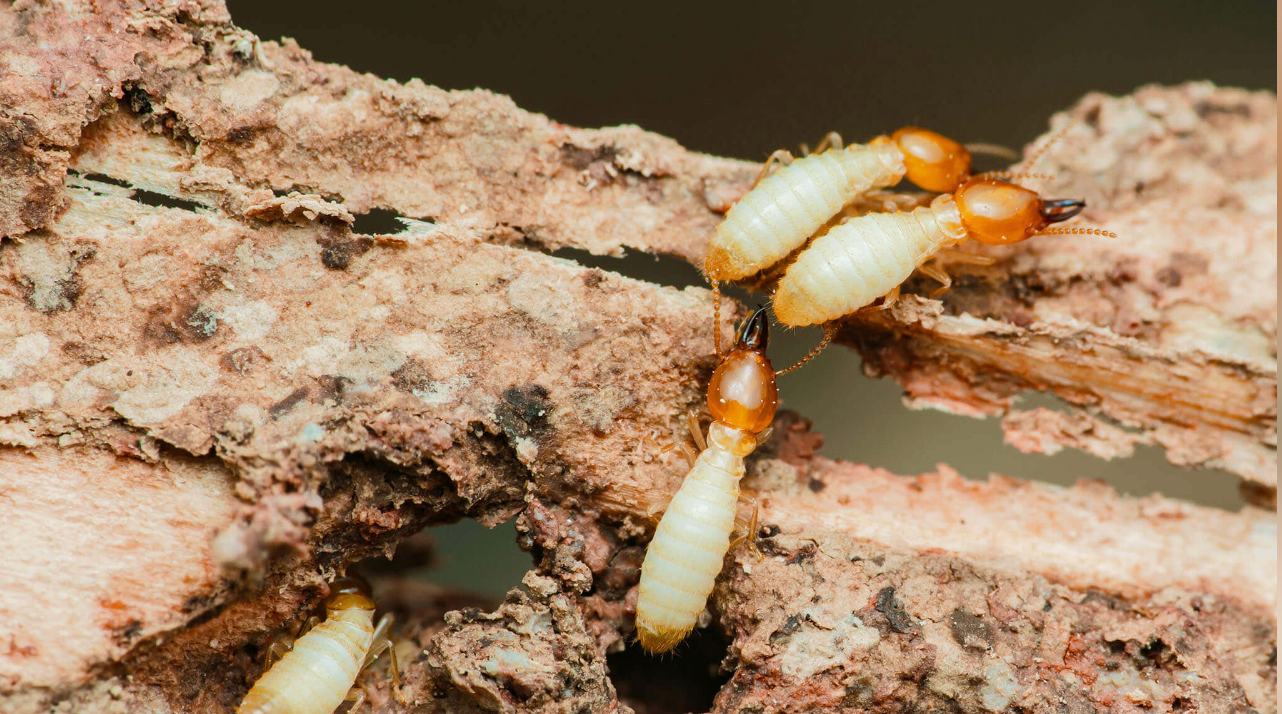
Termite Prevention 101
Termite Prevention 101: How to Protect Your Biggest Investment
For most families, your home is your biggest investment. It’s where you raise kids, host holidays, and build your life. The last thing any homeowner wants to think about is termites—but in Tennessee and North Alabama, they’re a very real (and very common) threat.
The tricky part? Termites are often called “silent destroyers” because they can cause damage for months or even years before you ever see them. The good news is that a little prevention goes a long way.
Here’s what every homeowner should know about protecting their home from termites.
Why Termites Are Such a Big Deal
Termites feed on wood and anything containing cellulose. That means:
Framing
Floors
Trim
Cabinets
Even paper and cardboard
Termite damage isn’t covered by most homeowners insurance policies, so prevention and early detection are key. Catching a problem early can save thousands in repairs.
Common Signs of Termites
Most homeowners don’t see termites themselves. Instead, they notice the signs:
Mud tubes along foundations or walls
Swarmers (flying termites) in spring
Discarded wings near windows or doors
Soft or hollow-sounding wood
Bubbling or peeling paint
If you notice any of these, it’s time for a professional inspection.
What Attracts Termites to Your Home
Termites are always in the soil around us. The goal isn’t to eliminate them from the environment—it’s to keep them away from your house.
They’re drawn to:
Moisture
Leaky faucets, poor drainage, clogged gutters, and damp crawlspaces create the perfect environment.
Wood-to-Soil Contact
Deck posts, siding touching the ground, and woodpiles near the home give termites easy access.
Mulch and Landscaping
Mulch holds moisture and sits right against foundations—exactly where termites like to travel.
How to Prevent Termites
Prevention is much easier (and cheaper) than repairs. Here are the basics:
Reduce Moisture
Fix leaks quickly
Keep gutters clean
Direct water away from your foundation
Maintain proper crawlspace ventilation
Create a Barrier
Keep firewood and lumber away from the house
Avoid direct wood-to-soil contact
Be mindful of mulch depth near the foundation
Schedule Regular Inspections
An annual termite inspection can catch activity before major damage occurs. Even if you’ve never had termites, inspections provide peace of mind.
Why a Termite Bond Matters
A termite bond (or termite protection plan) is one of the best ways to protect your home long-term. With an active termite plan:
Your home is monitored regularly
Bait stations or treatments stay in place
If termites show up, they’re treated quickly
You’re not starting from scratch if a problem arises
It’s ongoing protection for your biggest investment.
Local Termites Are Active Year-Round
Many homeowners think termites are only a spring issue. While swarms are more visible in spring, termites work year-round behind the scenes. That’s why consistent protection matters in our area.
Protect Your Home Before There’s a Problem
The best time to think about termite protection is before you have termites. Preventative treatment and monitoring can save homeowners thousands of dollars and a lot of stress.
At BugOut Termite & Pest Control, we’ve been helping families in Middle Tennessee and North Alabama protect their homes for over 22 years. We believe in honest recommendations, thorough inspections, and long-term prevention—not high-pressure sales.
If you’d like peace of mind knowing your home is protected, we’re always happy to take a look.
BugOut Termite & Pest Control
Protecting homes. Protecting investments.
Serving Middle Tennessee & North Alabama

Pest Control Tips From a Local Family Business
Our family buisiness is keeping your family bug free.